Table of Contents

Modern interior design continues to evolve, introducing innovative ideas into our living spaces. From the intelligent use of advanced technology to a renewed appreciation for natural materials, 2025 promises a harmonious balance between beauty and practicality.
Keeping up with these trends is important not only for design professionals, but also for anyone seeking to improve the atmosphere of their home.
In this article, we explore the key directions shaping interior design in the near future and offer inspiration and practical ideas to help you stay current with the latest developments in style, comfort, and functionality.
Biophilic Design
Biophilic design has become a defining feature of contemporary interiors, bringing nature and living spaces into closer harmony.
This year, particular attention is being given to homes with indoor gardens, natural wood finishes, and water features. These elements not only enhance the visual appeal of a space, but also contribute significantly to comfort and well-being.
Recent studies suggest that plants and natural materials can have a positive effect on psychological well-being and physical comfort.
Biophilic design seeks to integrate nature organically into architecture and interiors through natural materials, organic forms, greenery, and a sense of balance. The result is a more welcoming atmosphere that supports relaxation and positive emotions.
Sustainable Design
As environmental awareness continues to grow, sustainable design is becoming increasingly important.
Forecasts for 2025–2030 suggest a stronger emphasis on environmentally responsible materials that are both stylish and durable.
Examples include:
- recycled-glass countertops;
- bamboo flooring;
- furniture made from reclaimed timber;
- low-impact finishes;
- responsibly sourced natural materials.
Choosing these materials during renovation is not only an investment in the environment, but also a way to align the interior with contemporary standards of quality and style.
Multifunctional Spaces
Modern interior design places increasing emphasis on multifunctional spaces, particularly in cities where living areas are often limited.
Designers are focusing on adaptable furniture and flexible layouts, including dining tables that can be transformed into work surfaces and living rooms that can easily become guest bedrooms.
Innovative solutions such as sliding partitions, folding furniture, and concealed storage systems make it possible to use every square meter efficiently while preserving both style and functionality.
Contrasting Textures
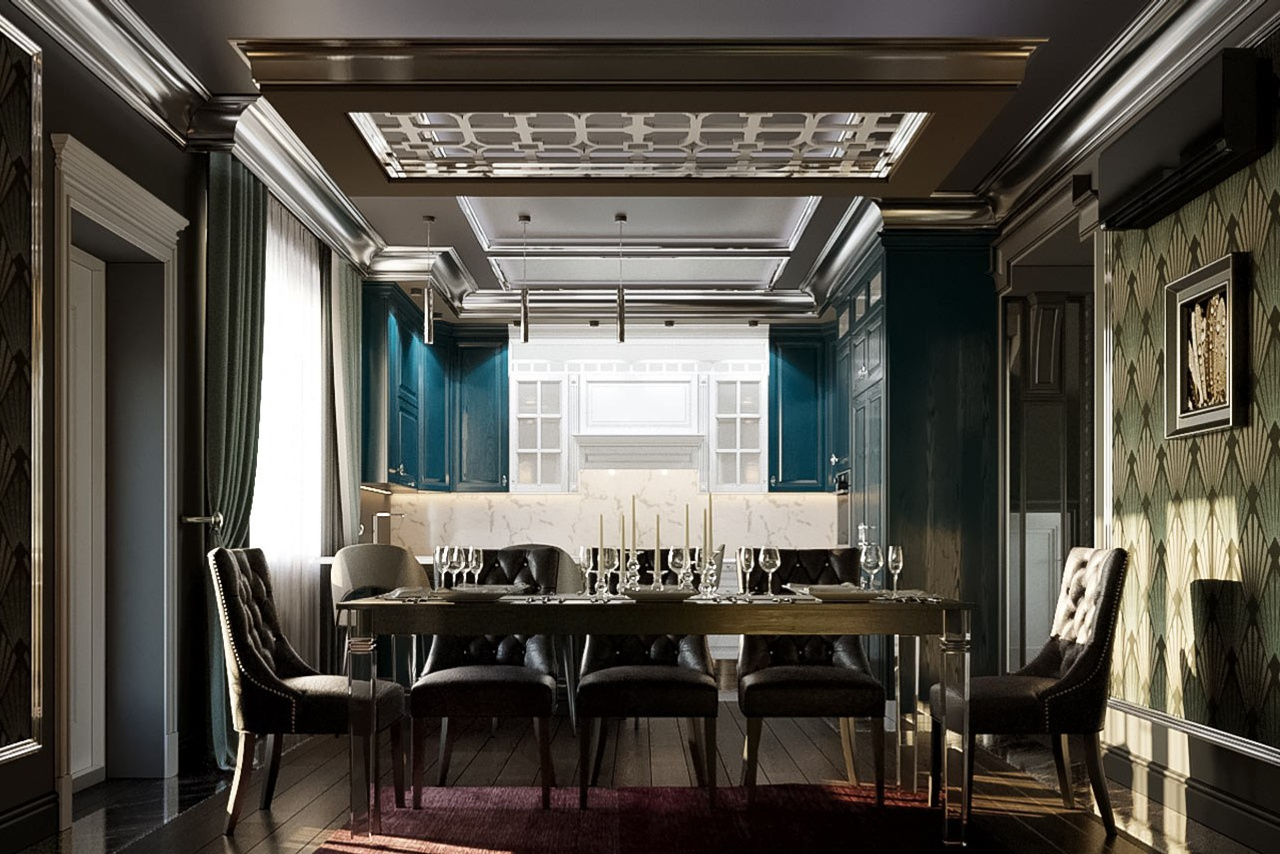
Future interiors are expected to feature bold colors and expressive contrasts between different textures.
Large floral and geometric patterns, tactile fabrics, and decorative wall moldings are likely to play a prominent role.
These elements are intended to create interiors that are both visually and physically engaging, adding character and individuality to the space.
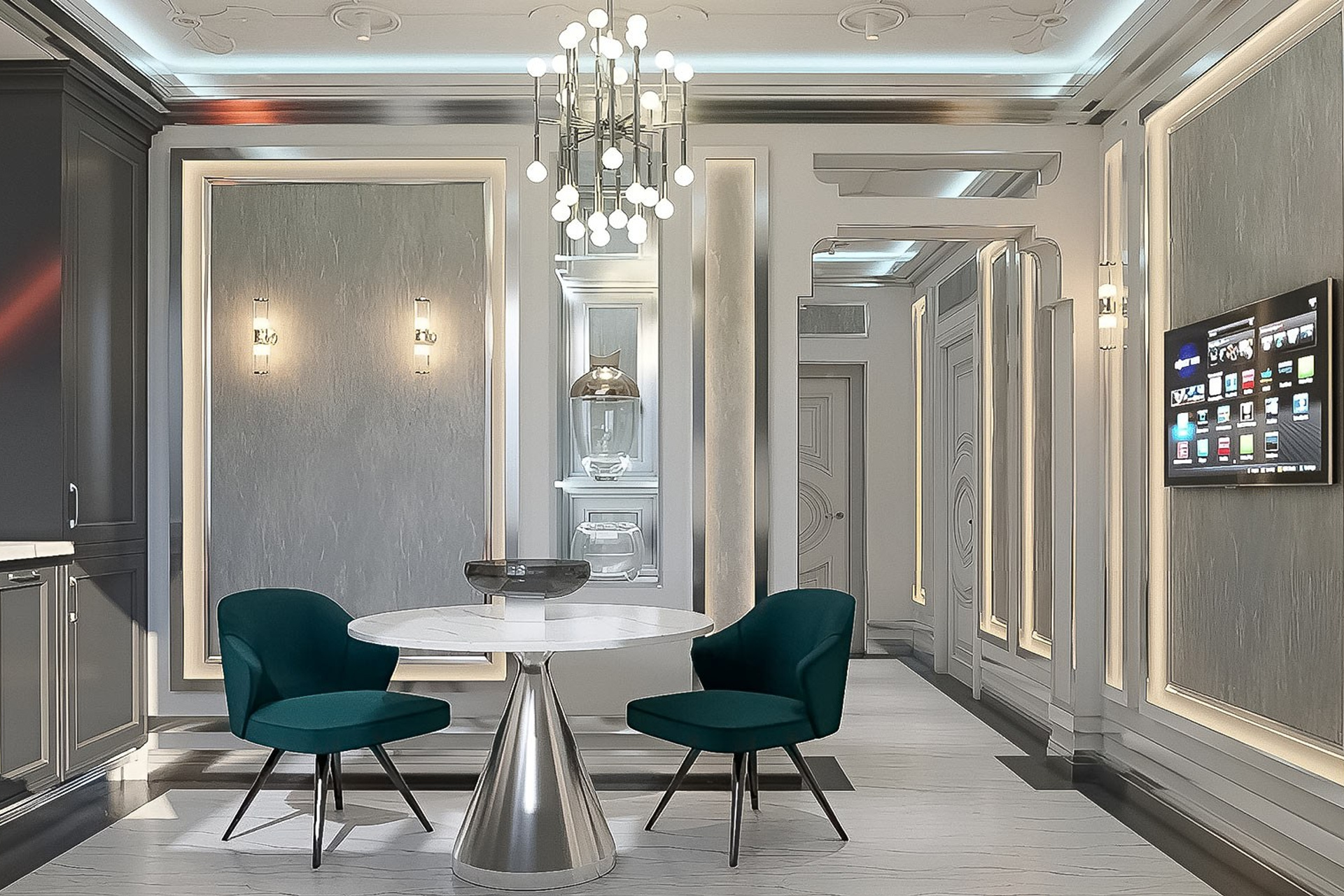
The combination of matte and glossy finishes, smooth and textured surfaces, and soft and structured materials introduces depth and visual interest.
This layered approach creates interiors that feel sophisticated, memorable, and rich in detail.
The Revival of Vintage and Retro Style
Vintage and retro influences are making a noticeable return to interior design, bringing authenticity and individuality to contemporary spaces.
This trend is not about simply reproducing the styles of the past. Instead, it involves combining historic references with modern aesthetics.
Mid-century furniture, Art Deco lighting, and vintage decorative pieces can be paired with contemporary materials and color palettes to create an interior that feels distinctive and timeless.
A carefully balanced combination of vintage details and modern surroundings creates a warm, harmonious, and highly personal atmosphere.
Innovative Smart-Home Technology
As technology develops, smart-home systems are becoming increasingly integrated into interior design.
Technology is no longer viewed simply as a practical convenience. It is now becoming part of the home’s overall aesthetic.
Designers are incorporating voice assistants, intelligent lighting, automated blinds, and climate-control systems in ways that complement the interior rather than disrupt it.
These technologies are designed to remain discreet, intuitive, and visually refined, either blending seamlessly into the space or enhancing its overall character.

Lighting and the Integration of Glass Elements
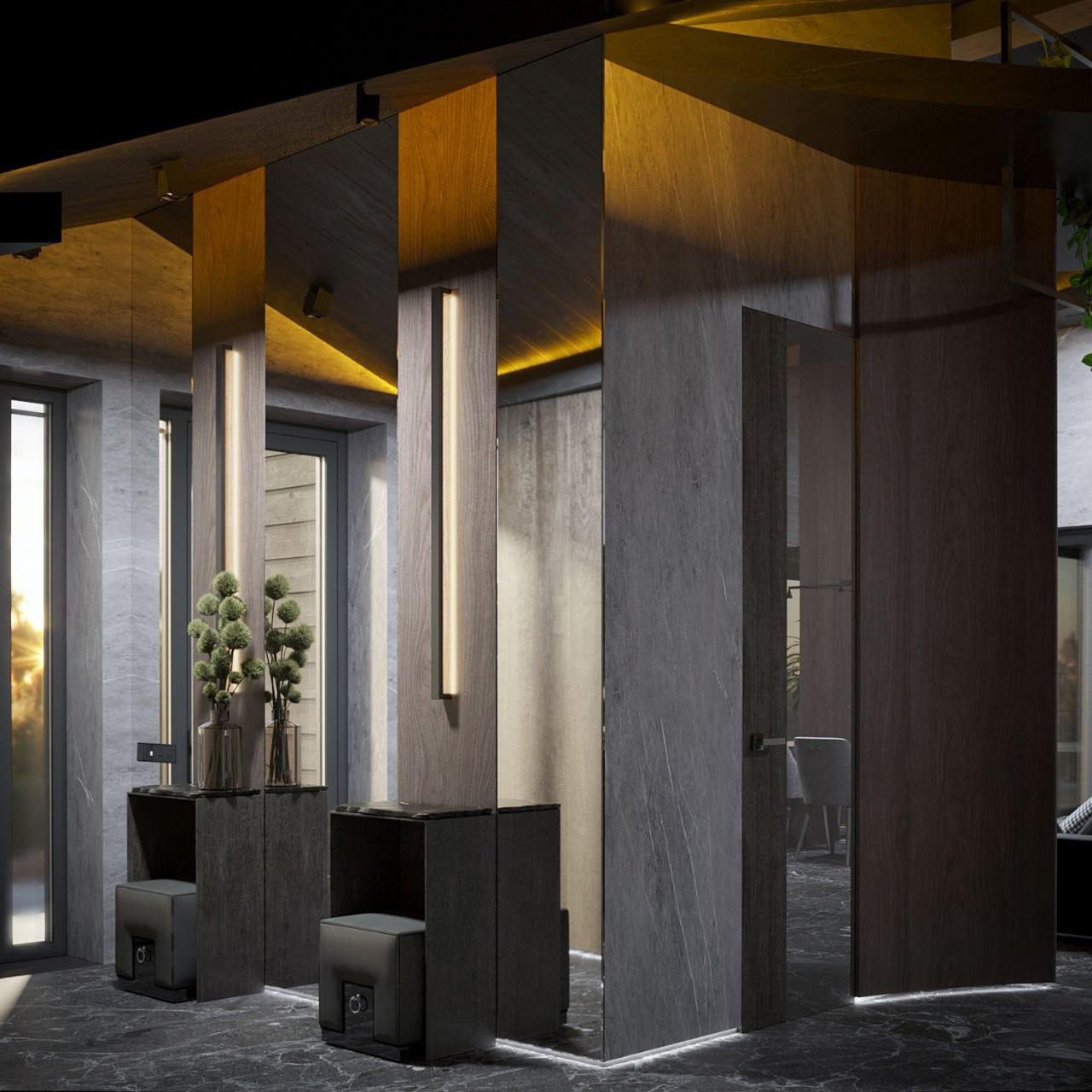
To create open and spacious interiors that feel connected to the outside world, it is important to maximize natural light and incorporate glass elements thoughtfully.
Floor-to-ceiling windows, glazed walls, and skylights help bring daylight deep into the interior and create a stronger sense of openness.
Glass partitions and mirrored surfaces can further enhance illumination, visually enlarge the space, and emphasize transparency and continuity between different areas.
Elegant and Refined Minimalism
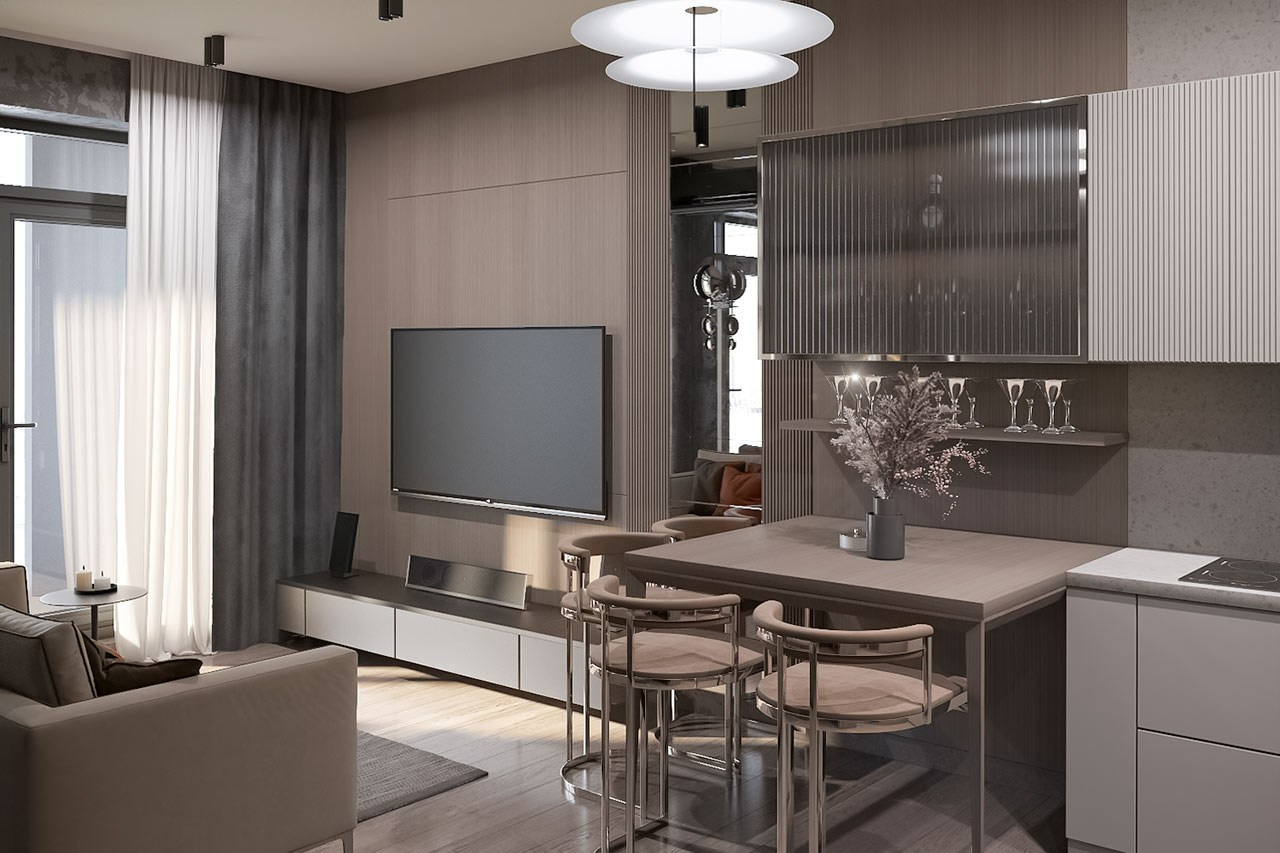
Minimalism is evolving into a warmer, more luxurious, and more comfortable style.
Luxury minimalism is defined by high-quality materials and carefully selected finishes that bring refinement and comfort to simple forms.
Neutral color palettes are combined with rich textures such as:
- soft wool;
- velvet;
- natural timber;
- stone;
- textured fabrics.
These materials add depth and visual richness without overwhelming the interior.
The aim is to create a spacious environment where functionality and understated luxury coexist, resulting in a calm, balanced, and welcoming atmosphere.

Culturally Inspired Décor
Contemporary interior design increasingly reflects the diversity of global culture.
Designers draw inspiration from different regions and traditions, expressing them through textiles, patterns, furniture, and works of art.
Moroccan tiles, Japanese noren curtains, handcrafted objects, and other culturally significant elements can be integrated into contemporary interiors to create spaces that feel distinctive, inspiring, and personal.
This approach allows global aesthetics to blend naturally with modern design, producing interiors that are both sophisticated and culturally rich.
Earth-Inspired Tones
Earthy colors are among the most popular current trends, helping to create a calm and grounded atmosphere.
Warm shades such as ochre, olive green, terracotta, and burnt orange work especially well with softer tones such as dusty pink, sand, and warm beige.
Together, they form a comfortable palette suited to spaces designed for rest and relaxation.
These colors can have a positive psychological effect, supporting a sense of calm and well-being, particularly when combined with natural materials and tactile surfaces.



Conclusion
The aim of modern interior design is to create spacious, functional, and elegant interiors that also promote calm and relaxation.
Cultural influences, particularly in decorative elements, continue to play an important role.
Textiles, patterns, artwork, and handcrafted objects from different regions add variety and individuality to the home.
Moroccan tiles, Japanese noren curtains, and other culturally inspired details can be integrated naturally into contemporary interiors, adding refinement and character.
This trend supports a harmonious combination of global aesthetics and modern design, making it possible to create distinctive and culturally enriched spaces.
Earth-inspired colors also remain especially relevant.
Ochre, olive, terracotta, and warm orange tones combine beautifully with softer shades such as dusty rose and sand.
These palettes create a sense of comfort, balance, and connection with nature.
When paired with natural materials, they help establish a peaceful atmosphere that encourages relaxation and a greater sense of well-being.